
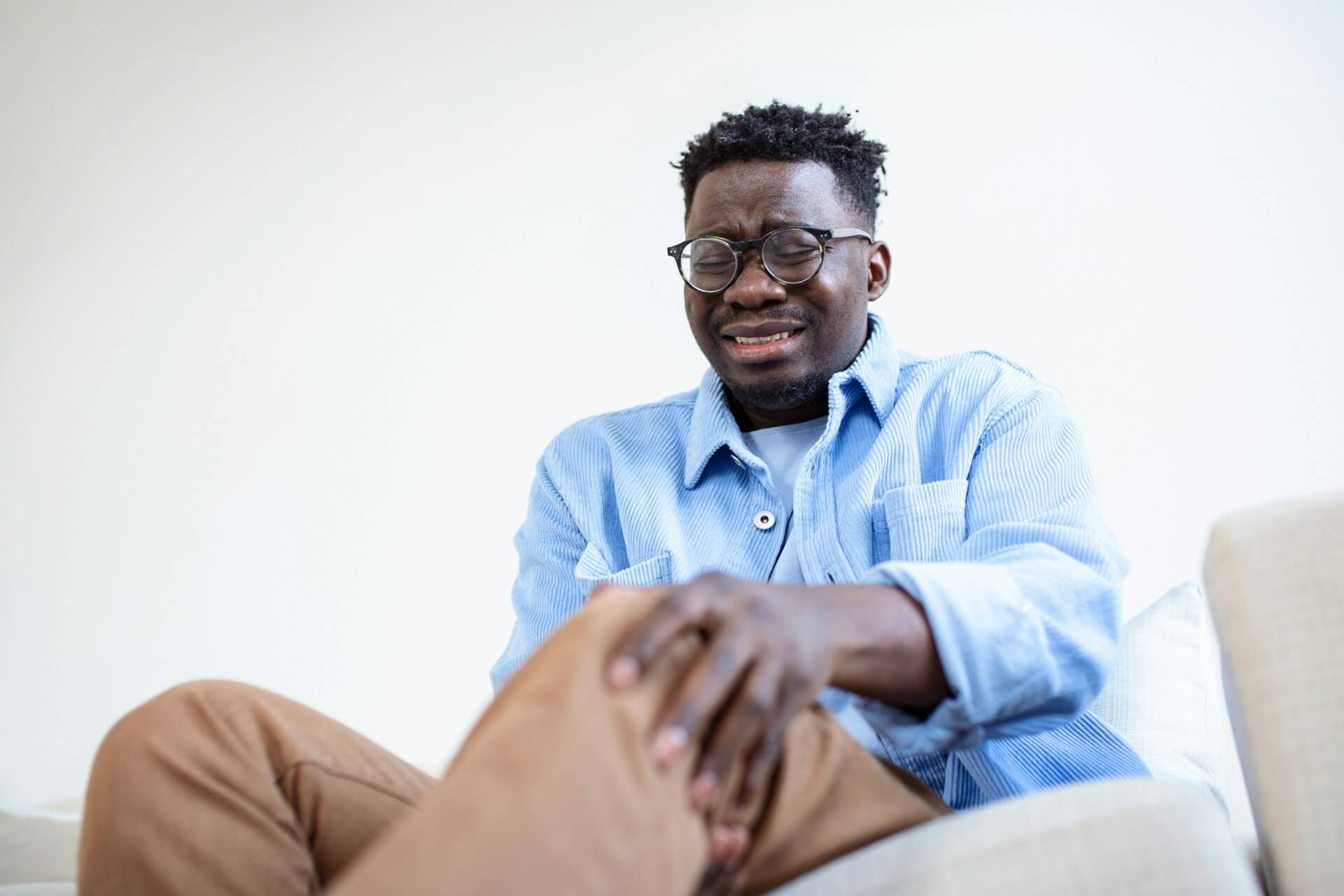
Mid-December in Ottawa can feel like a full-body workout. One day there is a deep cold snap, the next day it warms up, and all week we are stepping over snowbanks and watching for icy sidewalks. We spend more time indoors, move a bit less, and often notice winter joint pain in Ottawa showing up at inconvenient times, right when we are trying to keep up with work, family, and holiday plans.
We get asked about this every winter. Why do joints feel stiffer, why do old aches return, and what is worth checking out? Below, we will share simple reasons winter can feel harder on joints, common triggers that catch people off guard, and safe next steps with regulated care. No quick fixes, no promises, just a clearer plan.
Why Ottawa winters can make your joints feel different
Cold air often comes with a stiff feeling. When we are chilled, many of us tighten up without noticing. Shoulders creep up, hands ball into pockets, and steps get shorter. That extra muscle tension can make joints feel less flexible and more sore after normal tasks like walking the dog or carrying a bag.
Weather changes can be a factor too. Some people notice more aches when barometric pressure swings fast, like before a storm or during a rapid warm-up. We cannot predict who will feel it, and it is not the same for everyone, but it is a pattern we hear about when the forecast flips quickly.
Winter routines matter too. It is easy to move less when it gets dark early and sidewalks are slick. A few normal habits can add stress without us meaning to, like sitting more, wearing heavy boots that change your stride, and wearing bulky layers that limit how freely you turn and reach.
Winter situations that can trigger flare-ups (even when you’re careful)
Slips and near slips are big ones. You might not fall, but a quick twist or sudden brace can strain areas that usually feel fine. People often notice it later that day, once things cool down and tighten up. The back, hips, knees, shoulders, and wrists are common spots, since they tend to react when we catch ourselves.
Snow clearing is another classic trigger. Shovelling asks a lot from the body and often mixes lifting, pushing, and twisting, repeated again and again. Packed snow and the heavy stuff at the end of the driveway can feel rough. If your grip is cold and your footing feels shaky, it is easier to move in a way that jars the body.
Cold weather commuting and errands can add up too. We rush to the car, twist to brush off snow, carry groceries with tense shoulders, then sit still in the driver’s seat for a long stretch. Any one of those might be fine, but stacking them on a busy winter day can leave joints cranky by evening.
Who tends to notice winter joint pain more often
People with past injuries or ongoing aches often feel winter changes first. Old sports injuries, past car accident injuries, or recurring back or neck pain can seem to act up when the weather shifts and routines change. It can feel unfair, like your body is bringing up an old issue right when you want to focus on the season.
Active people who switch routines can notice changes too. If you go from outdoor activity to more indoor workouts, your movement patterns change. Some people do less movement once it is darker, and the body can get used to being in the same positions for longer.
Families and older adults have their own winter challenges. Heavier winter gear can make simple movement harder. Keeping steady on ice takes constant focus. Less daylight can mean fewer casual walks, which can leave joints feeling stiff. None of this means something serious is going on, but it can mean you notice aches sooner and more often.
What you can do about it (without guessing or DIY fixes)
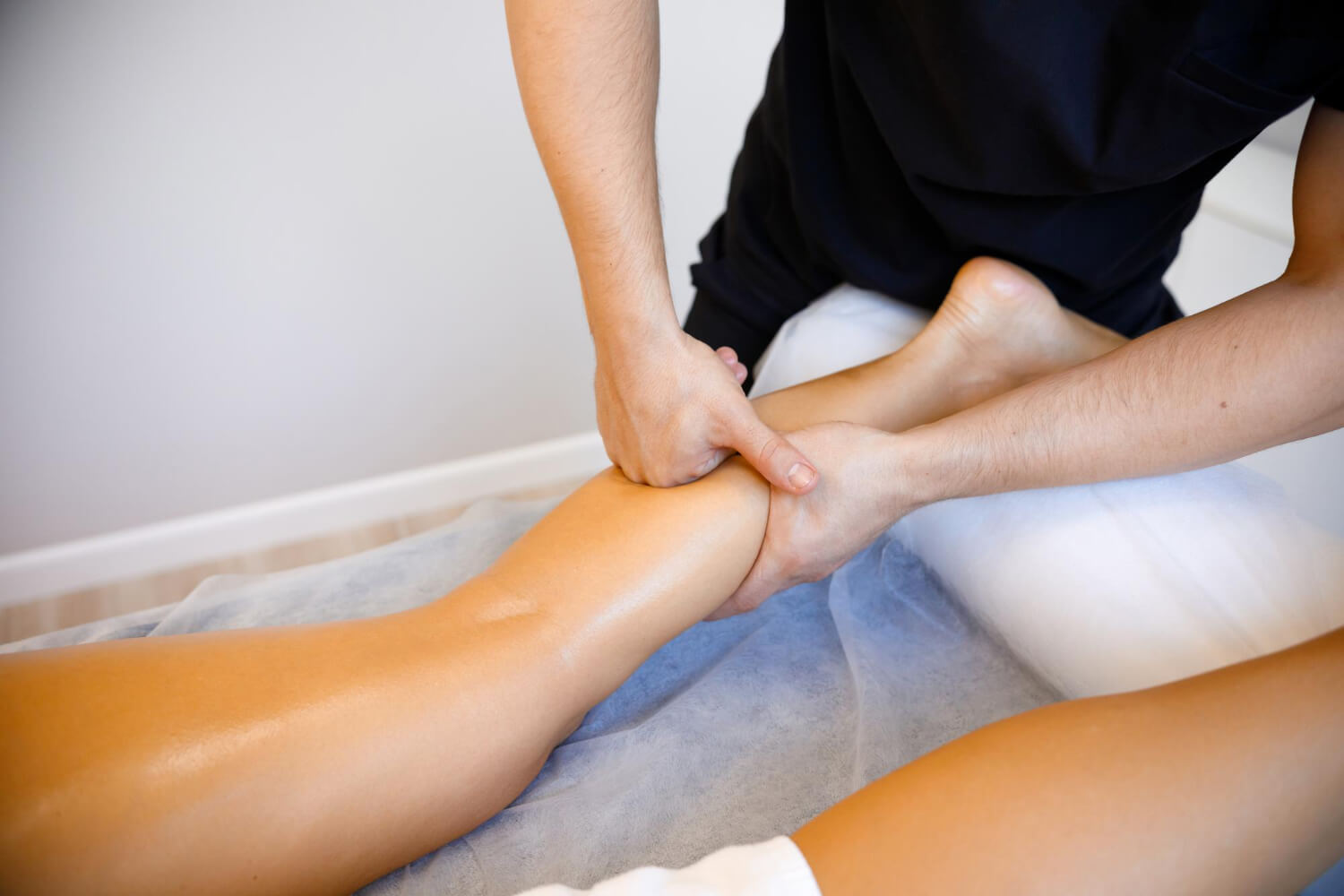
A good first step is a check-in with a regulated provider when pain is new, getting worse, or changing how you sleep, work, or manage daily tasks. If you are avoiding stairs, limping, or bracing through normal movement, that is a sign your body is asking for support. We never want people guessing their way through pain, since the right next step depends on the person, their history, and what seems to be irritated.
If you decide to book an assessment, it can help to ask what type of appointment fits your main problem. That might focus on movement planning, joint function, muscle tightness, or general comfort. What matters most is getting a clear explanation of what is being checked, what the plan is, and when you will review how it is going.
For people who want in-person support in our clinics, we currently have two locations. Our downtown clinic is at 81 Metcalfe Street, Suite 1100, and our Kanata clinic is at 600 Terry Fox Dr., Suite 108. At the moment, physiotherapy is offered at our downtown clinic, and not at our Kanata clinic.
Planning matters in winter. A care plan can factor in your real-life triggers, not just what hurt on one specific day. That can include safer ways to handle snow clearing, getting in and out of the car, using stairs when boots are wet, or changing your activity routine when sidewalks are icy. The goal is to understand what is driving the flare-ups and what kind of support makes sense for you.
Keeping joints happier through the rest of the Ottawa winter
Winter tends to reward steady habits. Big bursts of activity followed by long rest days can leave us stiff and sore, especially when we are moving less overall. When we build a routine that fits our schedule, joints can feel more predictable. Support from a regulated provider can help you choose a plan you can stick with, instead of pushing through until something flares up.
Pay attention to early signals, without trying to self-diagnose. Patterns are useful. If stiffness hangs around, swelling shows up, pain changes how you walk, or the same task causes the same twinge each time, those details are worth bringing to an appointment. They can help connect the dots between what you do and what your body reacts to.
Picking the right next step can feel confusing when winter joint pain in Ottawa becomes part of your week. If you are not sure who to see first, think about what is limiting you most. Is it strength and movement confidence, joint stiffness, muscle tightness, or general soreness? In a multidisciplinary clinic, care can be coordinated when more than one issue is going on, so you are not bouncing between plans that do not connect.
Feel steadier and more comfortable for the rest of winter
Ottawa winters can be tough on joints for simple reasons. Cold can leave us tense and stiff, quick weather swings can line up with achy days for some people, we move less when it gets dark early, and ice and snow raise the chance of strains from slips, shovelling, and rushed errands.
There are practical next steps that do not rely on guessing. Getting assessed, learning what triggers your flare-ups, and following a plan built around your needs can make winter feel more manageable. If you want support, a local clinic team can help you sort out what is driving your pain and what options may fit your situation, without assuming there is one answer for everyone.
Colder days can leave you feeling stiff or sore, and a closer look often helps make sense of what’s happening. For many people, winter joint pain in Ottawa connects to how joints respond to cold, routine changes, and past wear and tear that shows up more in December. At Ottawa Health Group, we focus on understanding your movement, your triggers, and what support fits your real winter days without guessing or pushing quick fixes. Want help sorting out next steps and easing through the season with more confidence? Contact us to book an appointment and start the conversation.